REDSKIN SATURDAY NIGHT
VOTED THE BEST REDSKINS SHOW ON TV
Redskins Saturday Night was a weekly, thirty-minute television program airing every Saturday night during the regular football season. It was broadcast in Washington, D.C., Roanoke, VA, and Wheeling, WV. The show originated at Joe Theisman’s Bar and Grill in Vienna, VA, and aired for three seasons.
The program also produced one spin-off: a one-time, one-hour special titled Redskins Review. This special was recorded before an audience of three hundred fans in the main ballroom of the McLean Hilton Hotel in Tysons Corner, VA. It aired on Thanksgiving Day on WJLA-TV7, the ABC affiliate in the area.
When the Redskins made it to the Super Bowl, three additional programs were added to the regular-season lineup to deliver analysis of the Redskins' postseason play and their march to the Super Bowl.
Redskins Saturday Night was hosted by NBC/ESPN Play by Play Announcer, Jim Simpson, and was co-hosted by Redskin Free Safety, number 22, Curtis Jordan. In year three, Jordan was replaced with All-Pro Defensive End Charles Mann, but continued to appear regularly as a panel guest. Other panelists included Ken Beatrice, a well-known local radio personality heard daily on WMAL’s “Your Next With Ken Beatrice” sports call-in program. Other panelists included Kevin Harrington, Editor of the Redskins Sporting News, Mike Warren, a well-known football Handicapper, and Joe Theisman, former Heisman Trophy winner and All-Pro Redskin quarterback.
Each week, Redskins Saturday Night offered guests in attendance the opportunity to ask panel members a question. The guest Q&A took place in the bar area, and Jim would “throw” (a term used to mean hand off the hosting duties to someone else) to Gary Spears (The Spearman), a local radio personality heard daily on Q107 in the metropolitan D.C. area.
Redskin Saturday Night was shot on Thursday evenings at Joe Theisman’s restaurant before a packed house of fans, admitted on a first-come, first-served basis. There was no admission charge, as most of the guests purchased food and beverages, which benefited the venue. The fans hung around after the show, and most of the players signed autographs, took pictures, and answered a few more fan questions.
The program was shot with four broadcast cameras, three on sticks and one handheld camera used for the Q/A segment and audience cut-aways. Crew arrived at 1:00 p.m. for set-up, with cameras, lighting, audio and flypack dialed in by 5:00 p.m. After week one, we established a locked in format and all parties agreed that we would keep rolling no matter what to give the appearance of a live program. The actual production was over in less than an hour and the set was wrapped two hours later. During the three year run, we had only one personnel change, so the program rarely had any technical or logistical problems.
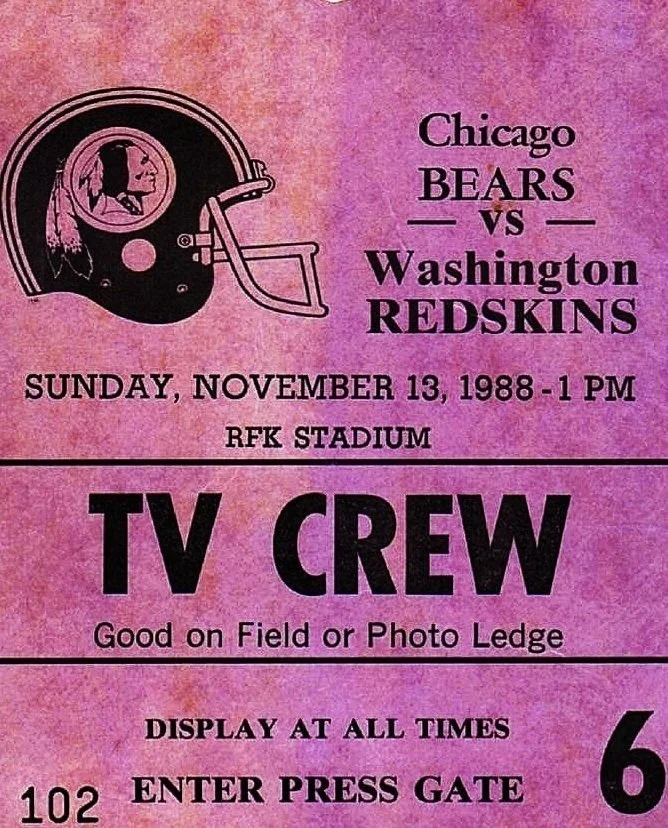
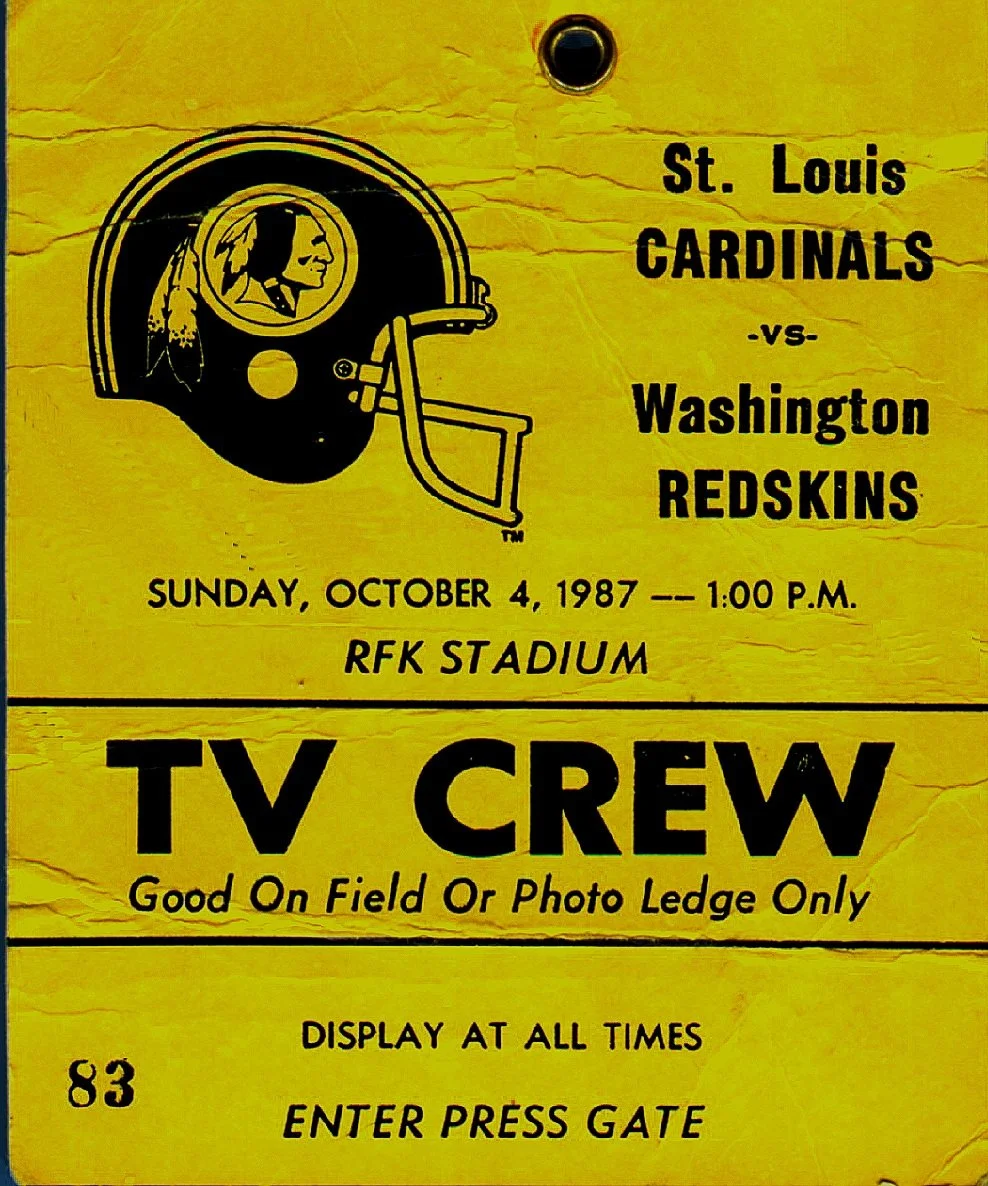


REDSKINS SATURDAY NIGHT GALLERY

JIM SIMPSON
BROADCAST LEGEND WITH NBC AND ESPN

CHARLES MANN
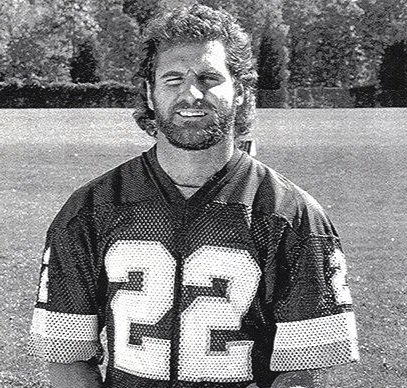
CURTIS JORDAN


